
25 Years of Traction
By Adam Kleinberg
Yesterday, LinkedIn sent me a notice. I've been the CEO of Traction for 25 years. It feels trite to talk about how much has changed since then. In 2001, there was no Facebook, no iPhones, no Uber, no Zoom. But as I sat and reflected last night about spending the last quarter century leading this business, what came to mind wasn't the things that had changed — it was the things that stayed the same.
Most people think of the word "success" as a destination — a nirvana you work hard to achieve. It's the pot of gold at the end of the rainbow. I've never bought that. For me, success has been the journey.
We've always said, "It's the experience that matters." That's what the success of Traction has meant to me personally. From Michele, Theo, Paul and me sitting down and deciding to start an agency, to celebrating the wins, and coming together like a family in the hard times. Watching our team grow — not only in numbers, but as people.
A few moments come to mind that capture it.
When we pitched Apple 20 years ago and they asked us to show them what we thought great work was — we did this soul searching as a team, threw all this great work on the wall and decided what that meant to us, everything from ads that respected the audience to beautiful design to Apple introducing the iPod to Bucky Fuller inventing the geodesic dome.
When a team member lost everything in a fire and the team organized a BBQ Smackdown fundraiser to help him get back on his feet.
And when we made the hard call to reset to a liquid workforce model in 2019 and were recognized by Campaign as the #1 talent management team in the US five years later because of it.
That experience has been the success. And through all of that, there are some things that have never changed.
We started Traction to do work we are proud of with people we love being around. One of the things I've found remarkable has been a consistent culture of caring about the work. Whether that meant discovering a hidden truth and transforming it into a brilliant idea, or coding a pixel-perfect email for a massive product launch or championing a better way to measure brand impact, the people I've seen here have always given a damn. That's never changed since Day One.
Another constant has been reinvention. We went from a "freelance co-op" to a digital creative project shop to a "real agency" to a marketing accelerator with a liquid workforce to building an AI-powered agencyOS. We were founded by three creatives and a developer, so that mix of creativity applied to innovation is in our DNA.
But most of all, it's always been about people. There have been several casts of characters over the years, but we've always sought to hire talented and authentic human beings — and to build lasting relationships with clients that reflected that too. That's created an enduring culture of trust, respect and integrity that's been something to behold. I've had quite a few people tell me Traction was the best job they ever had. That's amazing to hear as a founder, but I didn't make it that way.
They did.
A deep thank you to everyone who has helped Traction get this far on our journey. It's been one hell of a ride.
Takeaways: What 25 years taught us.
Success is not just a destination. It’s the experience you have every day. I’d be willing to bet that at least half of the employees that have worked at Traction would tell you it was the best job they ever had. In order to be a great customer experience provider, you first need to be a great employee experience provider.
Change is a constant. The world around us is in a constant state of change. Over 25 years, Traction has been a digital design shop, an ad agency, a marketing accelerator and an AI system design consultancy. You need to change — or risk standing in the wrong place, looking from the wrong perspective.
Trust, respect and integrity are the building blocks of culture. We have always believed that relationships thrive when trust, respect and integrity give them a foundation. Building a business on that has given us the opportunity to work with some of the most talented people we’ve ever met, and have a great time while we do it.
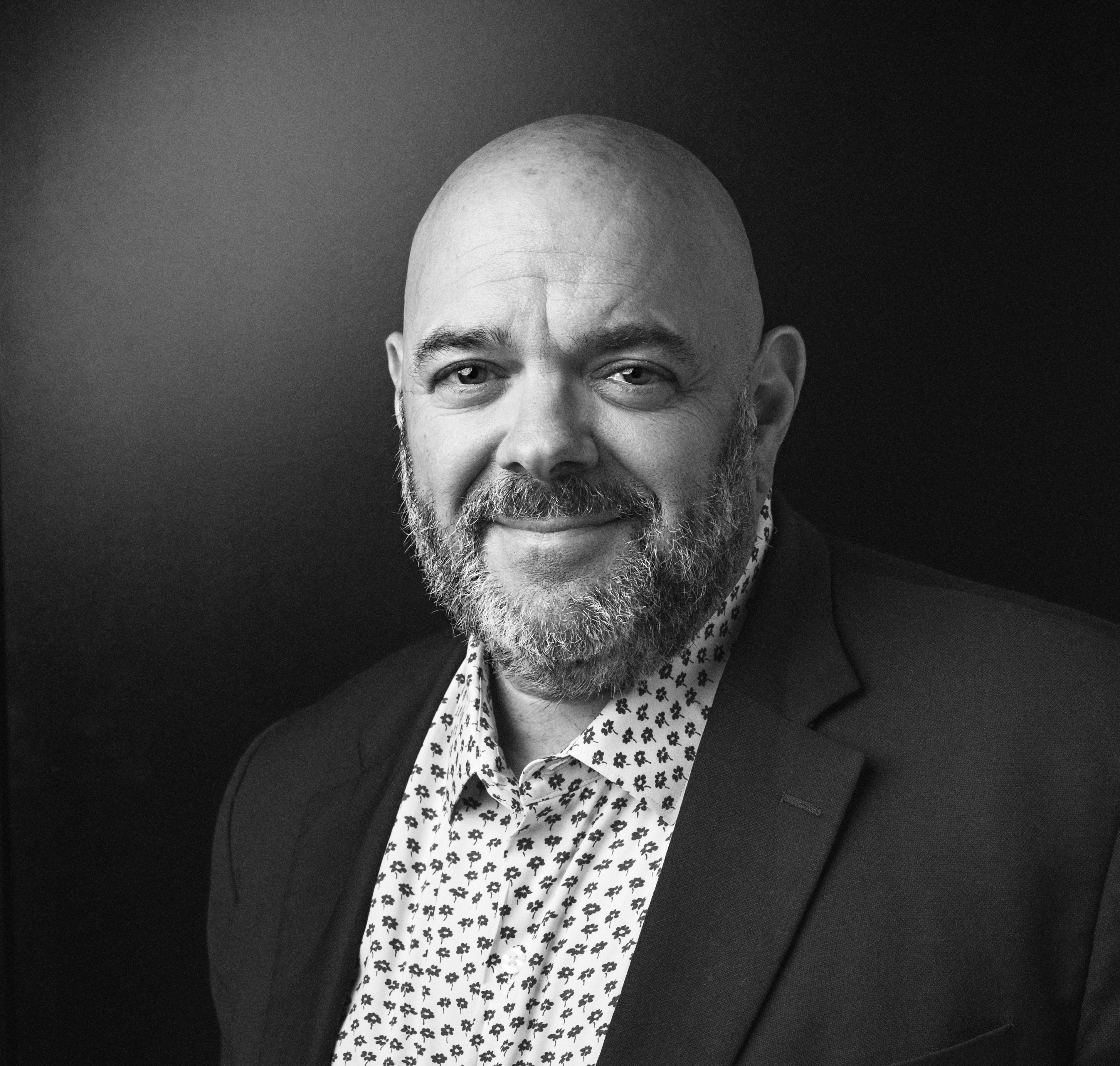
Adam Kleinberg has been CEO and a founding partner of Traction since 2001. He has written over 100 articles in publications like AdAge, Adweek, Fast Company, Forbes, Mashable and Digiday and spoken at dozens of industry conferences. He's led Traction to win Agency of the Year awards from AdAge, ANA B2 Awards, CampaignUS, and in 2025, he was recognized as one of the Campaign 40 Over 40 game-changers in marketing and advertising. He is also the author of "Tai Chi for Business" on Substack.

We just learned that Traction has been named a finalist for Midsize Agency of the Year at the 2026 ANA B2 Awards—the industry's most recognized honor for B2B marketing excellence, now in its 50th year.

What happens when one of the most decorated CMOs in tech admits she's terrified? Tara Sharp showed up to our Futureproof Project session and told us anyway.

Every marketing leader we talk to right now is somewhere on the same journey — past the hype, over the demos, and into the harder questions. How can AI Agents actually deliver business outcomes? And for many marketers — where do we even begin?