
This moment does not belong to machines. It belongs to us.
By Adam Kleinberg
I've been thinking a lot about who gets left behind.
We are in the middle of the most significant economic disruption in a generation. Maybe in our lifetimes.
In the next two years—maybe three, maybe five, maybe one—millions of people are going to lose their jobs because of AI. That's not a prediction designed to scare you. It's just math, and most of us know it.
Some of them will become victims of it. What I refuse to accept is that you have to be one of them.
Here's what I actually believe: AI will remove traditional opportunities, but it will create new ones. The barrier to entry for starting a business has never been lower in human history. The tools available to a solo entrepreneur today would have required a team of 20 people five years ago.
Young people coming out of college get this intuitively. They're starting businesses in droves because they can see the writing on the wall. For the AI-savvy, opportunities are going to abound. But a lot of people aren't there yet—and the path to AI fluency isn't obvious or accessible for everyone.
And it's not just entrepreneurs feeling this shift.
I had beers with my good friend Gavin Bridgeman the other night. Gavin's the CTO of TechSoft3d, a PE-backed software company with a long-term product vision. He told me his developer team is dramatically more productive than they were a year ago—and that created a choice. They could pursue the same vision for less money. Or they could use those efficiency gains to expand their ambition and build faster.
He's choosing to build faster.
That's the story nobody's telling clearly enough. AI isn't just cutting costs—it's expanding what's possible for the people and organizations who know how to use it. The winners in the AI economy aren't going to be the ones who merely survived the disruption. They're going to be the ones who leveled up.
Which means the people who don't have access to those skills are going to get left behind.
That gap is what keeps me up at night. And it's why Mighty Humans matters.
Grant McDougall has been thinking about this problem longer and harder than almost anyone I know. He's a pioneer in AI—he founded BlueOcean.ai, a company at the forefront of transforming how marketing gets done. He understands better than most that this technology accelerates change. And that awareness comes with a sense of responsibility.
He's determined that humanity won't be left behind. So he's doing something about it.
What he's built with Mighty Humans is the most concrete, scalable answer to that challenge I've seen. It's a platform and movement designed to help people build practical AI skills, apply them in the real world, and find pathways back to meaningful work—for free. What makes it more than just another online learning platform is the combination of scaled digital education and real-world local activation. Participants move through self-guided AI curriculum, then join local AI Sprints where they actually use those skills—for community problem-solving, entrepreneurship, and public good.
It will be funded by the same enterprises—some very large ones have already committed—that will inevitably replace human workers with AI. Corporate social responsibility has never been more urgent. These companies are standing up to answer that call.
Grant is launching Mighty Humans at Cannes this summer, putting the idea in front of the global marketing and creative community at exactly the moment it needs to hear it.
I'm proud to say I'm joining the board. And Traction is becoming an inaugural member.
At Traction, we've built what we call a liquid workforce—a model designed to align the experience talent needs with the experience talent wants, empowering people to do their best work on their own terms. And through The Futureproof Project, we've built a community of over 300 CMOs helping each other navigate the AI transition together. I've seen what's possible when people have the right support and the right tools. I've also seen how isolating it feels when you don't.
That's what brought me here.
This isn't charity. It's alignment.
I'm also proud to be joining the board alongside Lars Bastholm—former Chief Creative Officer at AKQA, Ogilvy, and Google's The Exploratory innovation team—one of the most thoughtful creative minds in the industry. People of that caliber don't show up for things that don't matter.
And the momentum is real. In just the past week, Mighty Humans have joined in 62 cities around the world. People are coming out of the woodwork—donating their time, their energy, and a passionate belief that this mission matters. That kind of groundswell doesn't happen unless something is true.
We want to reach 100,000 members before we launch at Cannes.

If you're a CMO or business leader reading this, I'm talking to you directly. You are already living this transformation. You know what AI is doing to your industry, your team, your craft. You have a platform and a network that could change someone's trajectory. The simplest thing you can do right now is go to mightyhumans.us, add your name, and share this with your people.
One hundred thousand voices saying "we believe in a future where no one gets left behind" is a powerful thing to walk into Cannes with.
This moment does not belong to machines.
It belongs to Mighty Humans.
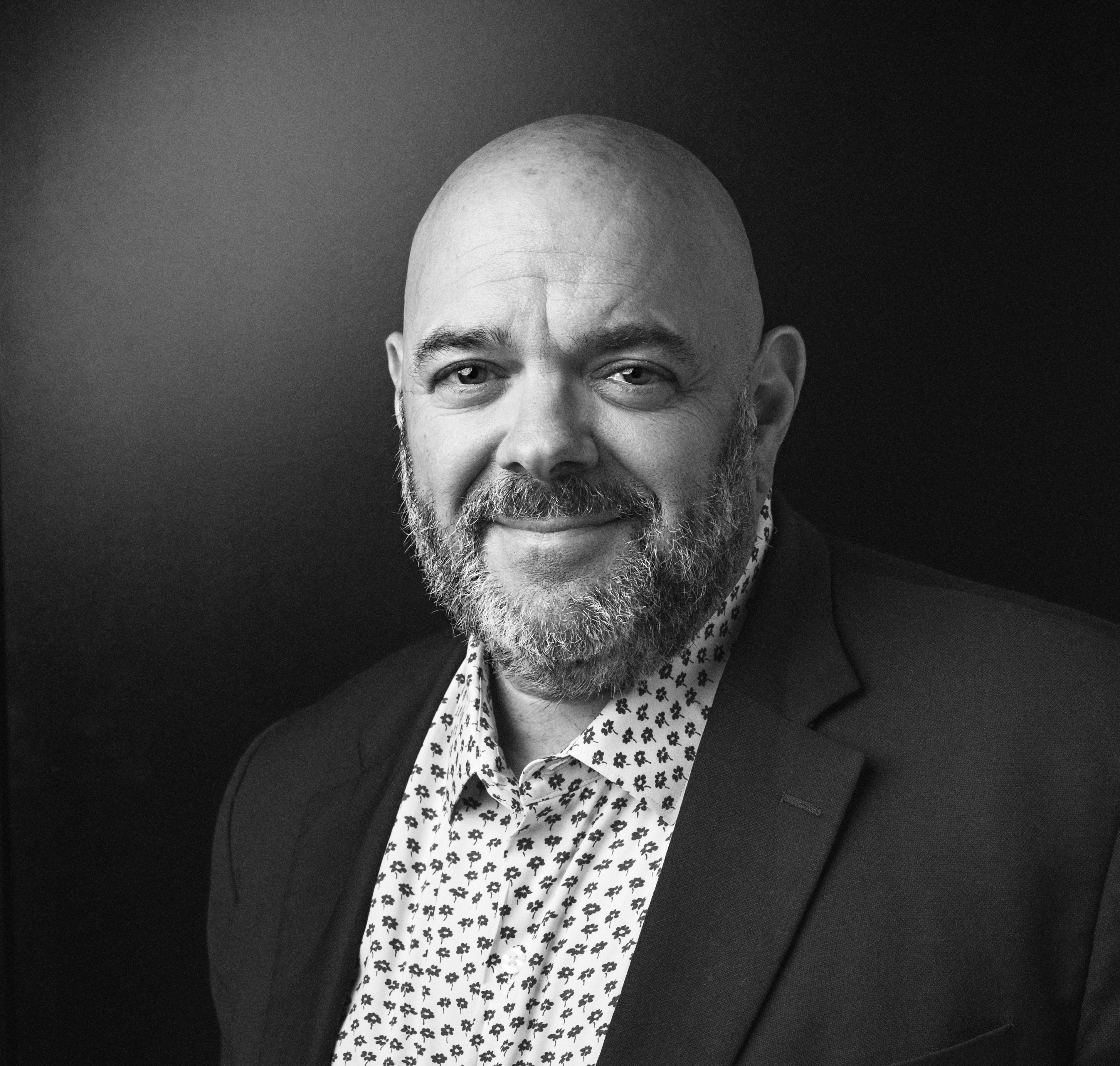
Adam Kleinberg has been CEO and a founding partner of Traction since 2001. He has written over 100 articles in publications like AdAge, Adweek, Fast Company, Forbes, Mashable and Digiday and spoken at dozens of industry conferences. He's led Traction to win Agency of the Year awards from AdAge, ANA B2 Awards, CampaignUS, and in 2025, he was recognized as one of the Campaign 40 Over 40 game-changers in marketing and advertising. He is also the author of "Tai Chi for Business" on Substack.

$8 mocha, yes. $3 shipping, no. $200 concert tickets, yes. Grocery coupons, also yes. And if that logic sounds contradictory, you're not paying close enough attention to the consumer you're trying to reach.

The job of the CMO is changing faster than our ability to adapt to it. Tools got more powerful. Organizations got more complex. Expectations from customers AND boards? Through the roof. Somewhere in all of that, the role of CMO started pulling apart at the seams.

From Davos to the Futureproof community, the AI conversation has shifted from hype to accountability. Hayley Nelson breaks down geopolitical tension, shaky ROI, AGI urgency, and why CMOs must lead ethical, human-centric AI—now.